
So, you’ve probably heard the terms “genderqueer” and “nonbinary” floating around, right? Sometimes they get used interchangeably, and it can get a little confusing trying to figure out what each one really means. This article is here to help clear things up. We’ll look at the differences, and how they connect, so you can better understand these important identity labels. We’re going to talk about genderqueer vs nonbinary, and hopefully make it all a bit simpler to grasp.
Understanding Nonbinary Identities
Defining Nonbinary
Okay, so what does “nonbinary” even mean? Basically, it’s an umbrella term for folks whose gender identity isn’t strictly male or female. It’s about existing outside that traditional box. Think of it as rejecting the idea that there are only two options. It’s not a new thing either; nonbinary people have been around for ages, across different cultures. It’s just that we’re talking about it more now.
The Gender Binary Explained
Most societies operate on what’s called a gender binary. This is the idea that there are only two genders: male and female. It influences everything from how we dress to the roles we’re expected to play. But the thing is, gender is way more complex than that. Some people feel like they fit neatly into those boxes, and that’s cool. But others don’t, and that’s where nonbinary identities come in. It’s about recognizing that gender isn’t a simple choice between two options.
Diverse Nonbinary Experiences
There’s no one way to be nonbinary. It’s a spectrum, and everyone’s experience is unique. Some people might feel like their gender is a mix of male and female. Others might not identify with any gender at all. And some people’s gender might change over time – it’s fluid. It’s really important to listen to individual stories and not make assumptions. Here are some examples of how diverse nonbinary experiences can be:
- Someone might use they/them pronouns.
- Another person might prefer a mix of pronouns.
- Someone else might not use pronouns at all.
It’s all about what feels right for each individual. The best way to learn is to listen and respect how people identify themselves. Don’t be afraid to ask questions (politely, of course!), and be open to learning new things.
Historical Context of Nonbinary Genders
Nonbinary Identities Across Cultures
It’s easy to think of nonbinary identities as a recent thing, but that’s really not the case. Many cultures around the world have recognized and honored genders beyond the typical male/female binary for centuries, even millennia. These aren’t just historical footnotes; they’re integral parts of those cultures. For example:
- The Hijra community in India has a long history and are legally recognized as a third gender.
- Two-Spirit people among many Native American and First Nations cultures hold respected positions and embody both masculine and feminine spirits.
- In Samoa, Fa’afafine are assigned male at birth but embody feminine gender roles and are widely accepted.
These examples show that the idea of gender existing beyond a simple binary isn’t new or Western-centric. It’s a human reality that has been understood and lived in diverse ways across the globe.
Beyond Modern Interpretations
When we talk about nonbinary identities today, it’s often through a modern lens, shaped by current social and political conversations. However, it’s important to remember that historical understandings of gender variance might not perfectly align with our contemporary definitions. What we now call “nonbinary” might have been understood differently in the past, with different social roles, expectations, and spiritual significance attached to it.
It’s crucial to avoid imposing modern labels onto historical figures or communities. Instead, we should try to understand these identities within their own cultural and historical contexts. This means looking at the specific language, customs, and beliefs that shaped how gender was understood and expressed in those societies.
Thinking about gender diversity through a historical lens helps us see that it’s not a trend or a fad, but a recurring aspect of the human experience. It also encourages us to approach the topic with humility and a willingness to learn from different perspectives.
Distinguishing Nonbinary From Other Identities
Nonbinary Versus Transgender
Okay, so, nonbinary and transgender identities? They’re related, but not the same thing. Transgender is an umbrella term for people whose gender identity differs from the sex they were assigned at birth. A nonbinary person can also be transgender, but not always. Some nonbinary people feel that their gender identity is different from their assigned sex, which would make them trans. Others might not identify with either male or female, and might not feel that the term “transgender” fits them. It’s all about individual identity and how someone feels most comfortable describing themselves. It’s important to understand transgender people are diverse.
Nonbinary Versus Intersex
Intersex is another term that sometimes gets mixed up with nonbinary. Intersex refers to people who are born with sex characteristics (chromosomes, gonads, or genitals) that don’t fit typical definitions of male or female. Being intersex is about biological traits, while being nonbinary is about gender identity. A person can be intersex and also identify as nonbinary, but these are separate things. Someone can be intersex and identify as male or female, and someone can be nonbinary without being intersex. It really comes down to biology versus identity. It’s important to remember that someone’s biological traits don’t define their gender identity.
Genderqueer as a Nonbinary Identity
So, where does genderqueer fit into all of this? Genderqueer is often used as a synonym for nonbinary, but it can also have a slightly different nuance. Some people use genderqueer to specifically describe a gender identity that is outside of or questioning the traditional gender binary. It can also refer to a form of gender expression that challenges societal norms. Think of it this way: all genderqueer people are nonbinary, but not all nonbinary people necessarily identify as genderqueer. It’s a matter of personal preference and what label feels most accurate. It’s all about finding the right label for you.
It’s important to remember that language evolves, and the way people use these terms can change over time. The best approach is always to listen to how someone describes themselves and respect their chosen terminology. If you’re unsure, it’s always okay to politely ask what terms they prefer.
Here’s a quick breakdown:
- Nonbinary: An umbrella term for gender identities outside the male/female binary.
- Transgender: An umbrella term for people whose gender identity differs from their assigned sex.
- Intersex: A term for people born with sex characteristics that don’t fit typical definitions of male or female.
- Genderqueer: Often used synonymously with nonbinary, but can also refer to a specific gender identity or expression that challenges norms.
Respectful Engagement With Nonbinary Individuals
It’s not always easy to know the right thing to do or say, especially when it comes to identities that might be new to you. But when interacting with nonbinary people, a little effort goes a long way. The most important thing is to show respect and a willingness to learn.
Prioritizing Chosen Names
Using someone’s correct name is super important. Names carry a lot of weight, especially for nonbinary individuals. It’s a core part of their identity. If a person tells you their name, use it. Don’t ask what their “real” name is or what they used to be called. That’s invasive and disrespectful. If you mess up, apologize quickly and correct yourself. Practice makes perfect, and it shows you care.
Asking About Pronouns
It might feel awkward at first, but asking about pronouns is a simple way to show respect. Don’t assume you know someone’s pronouns based on their appearance. You can’t tell just by looking at someone. If you’re unsure, just ask! You could say something like, “What pronouns do you use?” or “How would you like me to refer to you?” If you’re introducing yourself, you can also share your pronouns to normalize the practice. If you accidentally use the wrong pronoun, correct yourself and move on. No need to make a big deal out of it.
Avoiding Assumptions About Gender
Assumptions can be hurtful, even if they’re unintentional. Try to avoid making assumptions about someone’s gender, their interests, or their relationships. Not all nonbinary people present the same way. Some might use gender-neutral clothing, while others might express themselves in ways that challenge traditional gender norms. The best approach is to treat everyone as an individual and let them define themselves. Don’t make assumptions about who they are attracted to, either. Sexuality and gender identity are different things.
Remember, everyone’s journey is unique. What works for one person might not work for another. The key is to listen, be open-minded, and show genuine respect for their identity.
Supporting Nonbinary People
It’s easy to feel lost when trying to be supportive, but it’s really about respect and understanding. It’s about creating a world where everyone feels safe and seen. Here’s how you can help.
Advocating for Inclusive Policies
Push for changes in workplaces, schools, and public spaces. This could mean anything from gender-neutral bathrooms to updating dress codes. It’s about making sure policies don’t exclude or marginalize nonbinary people. For example, advocating for the option to select “X” as a gender marker on official documents can make a huge difference. It’s about making sure that nonbinary people can live and work without constantly facing barriers. It’s about creating a world where everyone feels like they belong. You can start by looking into LGBTQ+ support in your local community.
Navigating Gendered Spaces
This can be a big one. Think about bathrooms, changing rooms, and even sports teams. For many nonbinary people, these spaces can be a source of anxiety and even danger.
- Consider the impact of binary-only spaces.
- Advocate for gender-neutral options.
- Support policies that allow people to use the facilities that best align with their gender identity.
Remember, it’s not about forcing anyone to do anything, it’s about creating options and making sure everyone feels safe and respected.
Learning From Nonbinary Voices
The best way to learn is to listen. Read books, watch documentaries, follow nonbinary activists and creators online. Don’t expect nonbinary people to educate you, but be open to learning from their experiences. Authentic stories are powerful. Seek them out. It’s about understanding that there’s no one way to be nonbinary, and everyone’s experience is unique. It’s about being humble and recognizing that you don’t know everything. It’s about being willing to learn and grow.
The Spectrum of Gender Expression
Appearance and Gender Identity
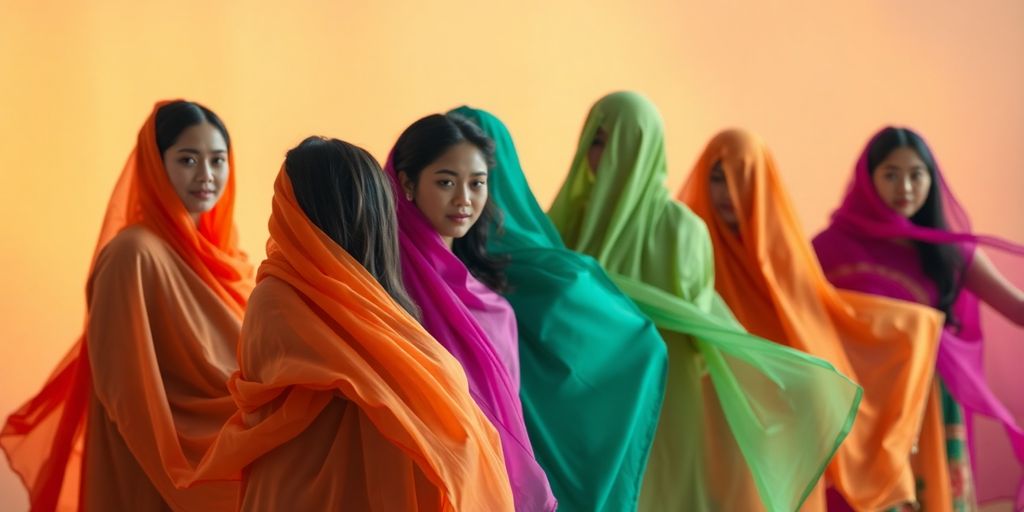
It’s easy to fall into the trap of thinking someone’s appearance automatically tells you their gender. But that’s just not how it works. Gender identity is an internal sense of self, and how someone chooses to express that identity outwardly can vary widely. Someone might identify as a woman but prefer wearing traditionally masculine clothing, or vice versa. And for nonbinary people, the possibilities are even more diverse. There’s no right or wrong way to look nonbinary – it’s all about what feels authentic to the individual.
Fluidity in Gender Presentation
Gender presentation isn’t always a fixed thing; it can change over time, or even from day to day. Think of it like choosing what to wear – sometimes you feel like dressing up, other times you want to be comfortable and casual. For some nonbinary people, this fluidity is a key part of their identity. They might feel more masculine one day and more feminine the next, and their clothing, hairstyle, and other forms of expression will reflect that. It’s all about honoring how they feel in the moment. For example, gender fluid describes individuals whose gender identity is not fixed.
It’s important to remember that gender expression is just that – expression. It’s a way of showing the world who you are, but it doesn’t define who you are. Don’t make assumptions about someone’s gender based on their appearance. The best way to know someone’s gender is to ask them respectfully.
Here are some ways gender presentation can vary:
- Clothing choices
- Hairstyle and color
- Use of makeup
- Body language
Medical Affirmation for Nonbinary Individuals

Congruence Through Medical Procedures
For many nonbinary individuals, achieving a sense of gender congruence is a deeply personal journey. This can sometimes involve medical procedures, but it’s important to remember that not all nonbinary people seek medical intervention. For those who do, the options are varied and highly individualized. Some might pursue hormone therapy to achieve a more androgynous appearance, while others may explore surgical options. It’s all about finding what aligns with their internal sense of self.
The Importance of Affirming Care
Finding healthcare providers who understand and respect nonbinary identities is absolutely essential. It’s not just about medical competence; it’s about creating a safe and affirming space where individuals feel seen, heard, and validated. This includes using correct pronouns and names, understanding the nuances of nonbinary identities, and providing care that is tailored to the individual’s specific needs and goals. Gender-affirming mental healthcare is a critical component of this process.
It’s important to remember that medical affirmation is not a one-size-fits-all solution. What works for one person may not work for another, and that’s perfectly okay. The goal is to support each individual in their journey toward self-discovery and well-being.
Here are some key aspects of affirming care:
- Respectful communication and language.
- Understanding of nonbinary identities and experiences.
- Individualized treatment plans.
- Advocacy for inclusive policies within healthcare settings.
Conclusion
So, we’ve talked a lot about what genderqueer and nonbinary mean. It’s pretty clear these terms help people describe themselves when “man” or “woman” just doesn’t fit. Remember, there’s no single way to be nonbinary, and that’s totally fine. The main thing is to be cool and respectful. If you’re not sure about someone’s pronouns, just ask. It might feel a little weird at first, but it makes a big difference. Being open to learning and understanding is what really matters. It helps everyone feel seen and respected, and that’s a good thing for all of us.
Frequently Asked Questions
What does it mean to be nonbinary?
Being nonbinary means your gender identity isn’t just male or female. It’s a way to describe people who feel their gender is something else entirely, a mix of both, or changes over time.
Is being nonbinary a new idea?
No, nonbinary people are not new. Many cultures throughout history have recognized more than two genders. It’s not a trend; it’s a part of human diversity that has always existed.
Is nonbinary the same as intersex?
No, being nonbinary is not the same as being intersex. Intersex means someone is born with body parts or genes that don’t fit typical male or female definitions. Most intersex people identify as male or female, though some might be nonbinary. Most nonbinary people are born with bodies that are typically male or female, but their inner sense of self is different.
Do all nonbinary people get medical treatments?
Not all nonbinary people choose to have medical procedures. Some do, to help their bodies match how they feel inside, which can be very important for their well-being. But it’s a personal choice, and many nonbinary people live full lives without any medical changes.
Can I tell if someone is nonbinary just by looking at them?
You can’t tell if someone is nonbinary just by looking at them. People express their gender in many ways, and how someone looks doesn’t tell you their gender identity or what pronouns they use.
How can I be supportive of nonbinary people?
The best way to be supportive is to use the name and pronouns a person asks you to use. Don’t make assumptions about their gender. If you’re not sure, it’s okay to politely ask what pronouns they use. Listening to nonbinary people and learning from their experiences is also very helpful.
Leave a Reply